
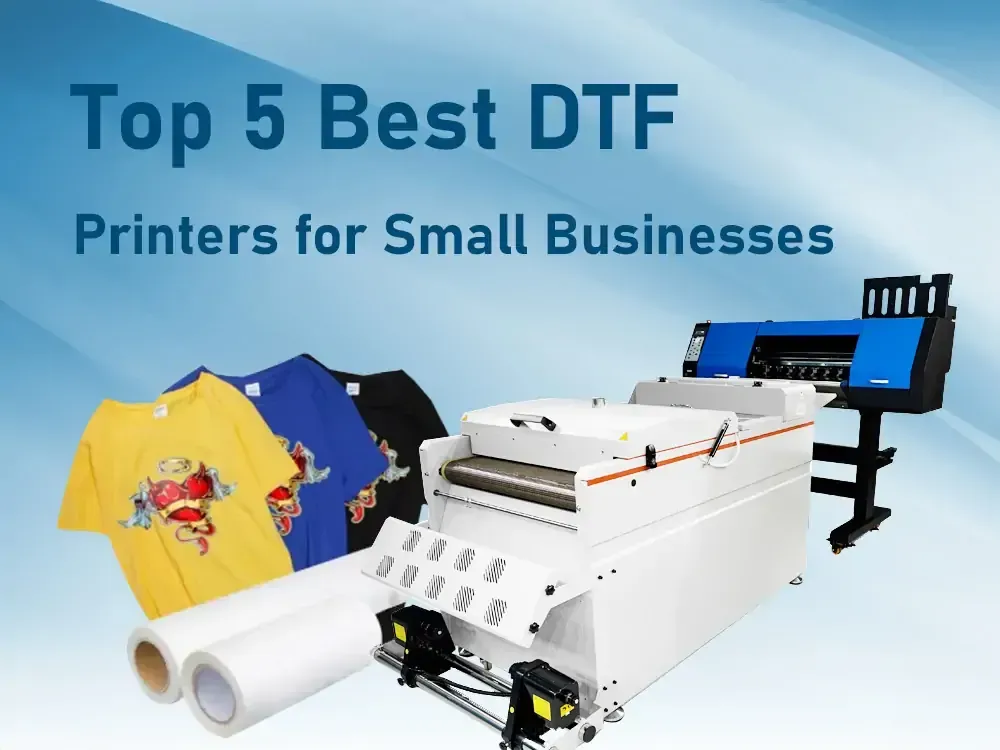
DTF for small businesses is a game-changing approach to producing vibrant, durable designs on apparel, bags, and more, offering a scalable path for startups that want to test ideas without heavy upfront risk, for hobbyists and boutique brands alike, because it lowers the barrier to entry and lets you iterate quickly. As consumer demand for custom, on-demand items grows, this method integrates with accessible DTF printing materials, DTF inks and powders, and DTF costs, while providing predictable costs and a clear framework for budgeting across small runs, and this approach also accommodates a range of garment types and colors, from light tees to dark hoodies, without sacrificing color fidelity or wash durability. By focusing on core elements such as DTF printing materials and equipment, owners can optimize workflows to protect margins as orders scale, while maintaining quality control, minimizing waste, reducing rework in busy periods, and helping you plan inventory, forecast demand, and schedule production windows. This practical overview ties in DTF profit margins and small business printing equipment in context, helping readers evaluate suppliers, compare material costs, and plan a lean setup that supports steady growth, with benchmarks for monthly output and quality checks. The tone remains descriptive and informative, with concrete examples that illustrate how startup teams can move from concept to consistent, profitable production while maintaining a strong online presence and reliable fulfillment, and such clarity supports confident marketing and customer communication, boosting order value over time.
A direct-to-film transfer approach to apparel decoration is gaining traction among startups seeking flexibility and speed, allowing vibrant designs to be applied to a range of fabrics with fewer steps than traditional methods. In this model, designs are printed onto a transfer film, dusted with an adhesive powder, and heat-pressed onto garments, a workflow that aligns with lean production and on-demand ordering. For small teams, the focus shifts to selecting compatible equipment, reliable inks, and durable films, while keeping upfront investments manageable and scalable. LSI-friendly framing includes references to digital transfer techniques, film-based printing, and fabric embellishment strategies that share market signals with the broader custom apparel space. Understanding this ecosystem helps designers and operators compare costs, predict lead times, and communicate value to customers who expect fast turnaround and quality results.
DTF for small businesses: A Practical Path to Scalable Custom Apparel
DTF for small businesses represents a practical path to offering custom apparel without the higher risk of larger, more complex printing methods. It aligns with consumer demand for on-demand items and supports scalable growth for a solo operator or a small team.
With DTF, designs are printed onto transfer film using water-based inks, a powder adhesive is applied, the film is cured, and the design is pressed onto fabric. This approach can be economical for small runs and prototypes and can scale as orders grow. Success hinges on selecting reliable DTF printing materials and maintaining cost-conscious operations to protect margins.
This guide walks through the lifecycle—from choosing materials to optimizing workflow—so owners can build a profitable venture with predictable outcomes.
Choosing the Right DTF Printing Materials for Your Shop
Choosing the right DTF printing materials means balancing quality, cost, and throughput. Start with a materials stack that suits your printer, transfer film, and adhesive system to ensure consistent results.
Consider transfer film quality, surface energy, curl resistance, and imaging clarity. Higher-quality PET films can reduce waste and improve batch consistency, a critical factor as your team grows. The overall selection of DTF printing materials influences yield and customer satisfaction.
Also evaluate the powder adhesive and curing system, along with heat press specifications. The right mix minimizes misprints, reduces rework, and protects margins over time.
DTF Inks and Powders: Quality, Compatibility, and Durability
DTF inks and powders define color vibrancy, wash-fastness, and durability. White ink, in particular, enables bright, opaque prints on dark fabrics—a common requirement for many product lines.
When selecting DTF inks and powders, ensure compatibility with your transfer film and printer. Uniform powders and proper curing yield consistent transfers and lower the rate of returns.
Quality control at the finishing stage helps guarantee long-lasting results and keeps customer expectations aligned with what you promise.
Understanding DTF Costs and How to Price for Profit Margins
DTF costs break down into upfront capital costs, consumables, labor, overhead, and packaging. Understanding each bucket helps you price products with confidence and forecast margins.
Typical consumables per item include film, ink (including white ink), and powder; allocating labor and overhead to each unit is essential for estimating margins and planning profitability.
A practical example shows how material costs, labor, and overhead interact with selling price to determine margins. Ongoing optimization—bulk purchasing, batch processing, and value-added services—can lift DTF profit margins over time.
Optimizing Your DTF Workflow for Strong Profit Margins
Workflow optimization for DTF reduces waste, speeds turnaround, and supports healthier margins. A lean, repeatable process minimizes surprises and keeps lead times predictable for customers.
A practical workflow includes design and pre-press with color management, organized printing queues, powder application and curing, final pressing, and thorough quality control. Batch processing and clear handoffs between steps help maintain consistency across orders.
A note on materials: DTF printing materials directly impact quality and cost. Committing to reliable inks, powders, and film reduces waste and returns, contributing positively to profit margins.
Scale on a Budget: Small Business Printing Equipment and Workspace Setup
If you’re starting with a tight budget, adopt a phased growth plan that centers on essential capabilities first. Focus on a lean set of products to simplify supply management and forecasting.
Phase 1 emphasizes a limited product line with straightforward designs to keep SKUs manageable and cash flow predictable. Phase 2 expands to more apparel types as orders stabilize, while Phase 3 adds value-added services that can command premium pricing.
When budgeting, plan for small business printing equipment and a well-organized workspace with good ventilation and cable management. A tidy, efficient setup reduces mistakes and supports scalable throughput as you grow.
Frequently Asked Questions
What is DTF for small businesses and what benefits does it offer?
DTF for small businesses refers to direct-to-film transfers used to print designs on apparel, bags, and other items. It offers scalable production with lower upfront risk for small runs, quick prototyping, and high‑quality, durable finishes. This approach helps you manage DTF costs and protect profit margins as your business grows.
What DTF printing materials should a DTF for small business setup prioritize?
Prioritize reliable DTF printing materials: quality DTF inks and powders, a durable transfer film, and a compatible heat press. Consistent materials reduce waste and reprints, which helps protect margins for your small business printing equipment.
How do DTF inks and powders affect color quality and durability in DTF for small businesses?
DTF inks and powders drive color vibrancy, wash-fastness, and transfer durability. Investing in quality inks and powders reduces misprints and returns, supporting healthy DTF profit margins for your small business.
What factors influence DTF costs for a DTF for small businesses and how can I price products accordingly?
Key cost buckets include upfront equipment, consumables per print (film, ink, white ink, powder), labor, overhead, and packaging. By calculating per-item material costs and adding a sensible labor and overhead allocation, you can price products to maintain the desired DTF costs and margins.
What are typical DTF profit margins for a DTF for small businesses and how can I improve them?
Aim for gross margins around 40–70% and a net margin of 10–25% as you scale. Improve margins by increasing batch sizes, reducing ink waste through color management, negotiating bulk prices for DTF printing materials, and adding higher-value services that leverage your equipment.
What basic small business printing equipment do I need to start with DTF for small businesses?
A starter setup includes a DTF printer with white ink, quality transfer film, a reliable powder adhesive and curing system, a heat press (15×15 or 16×20), design and color-management software, and a clean, ventilated workspace. This small business printing equipment stack balances upfront cost with production capacity for DTF for small businesses.
| Section | Key Points | Notes |
|---|---|---|
| What is DTF for small businesses? | Direct-to-film printing creates durable, high-quality transfers for apparel, bags, and more; economical for small runs; scalable as demand grows. | Foundational concept; aligns with focus keywords. |
| Core Materials and Equipment | DTF printer & inks, transfer film, powder adhesive & curing system, heat press, post-processing supplies, workspace setup. | Quality and cost balance drives margins and output. |
| DTF Costs and Pricing | Upfront capital, consumables per print, labor, overhead, packaging; example cost ranges and selling price range for margins. | Understanding cost structure helps price products accurately and protect margins. |
| DTF Profit Margins | Gross margin target 40–70%; net margin 10–25%+ as you scale; includes example calculations. | Margins guide pricing, savings, and growth strategy. |
| Workflow & Process | Design/pre-press, printing, powder application & curing, final pressing, QC, packaging/shipping. | Lean workflows reduce errors, speed turnaround, and improve customer satisfaction. |
| Scaling on a Small Budget | Phase 1: basic tees/bags; Phase 2 expansion to more items; Phase 3 value-added services; price thoughtfully to protect margins. | Provides a practical growth roadmap for limited budgets. |
| Common Pitfalls | Underestimating costs, overinvesting early, poor color management, inconsistent QC, neglecting packaging/branding. | Awareness helps preserve margins and brand reputation. |
Summary
Conclusion: