
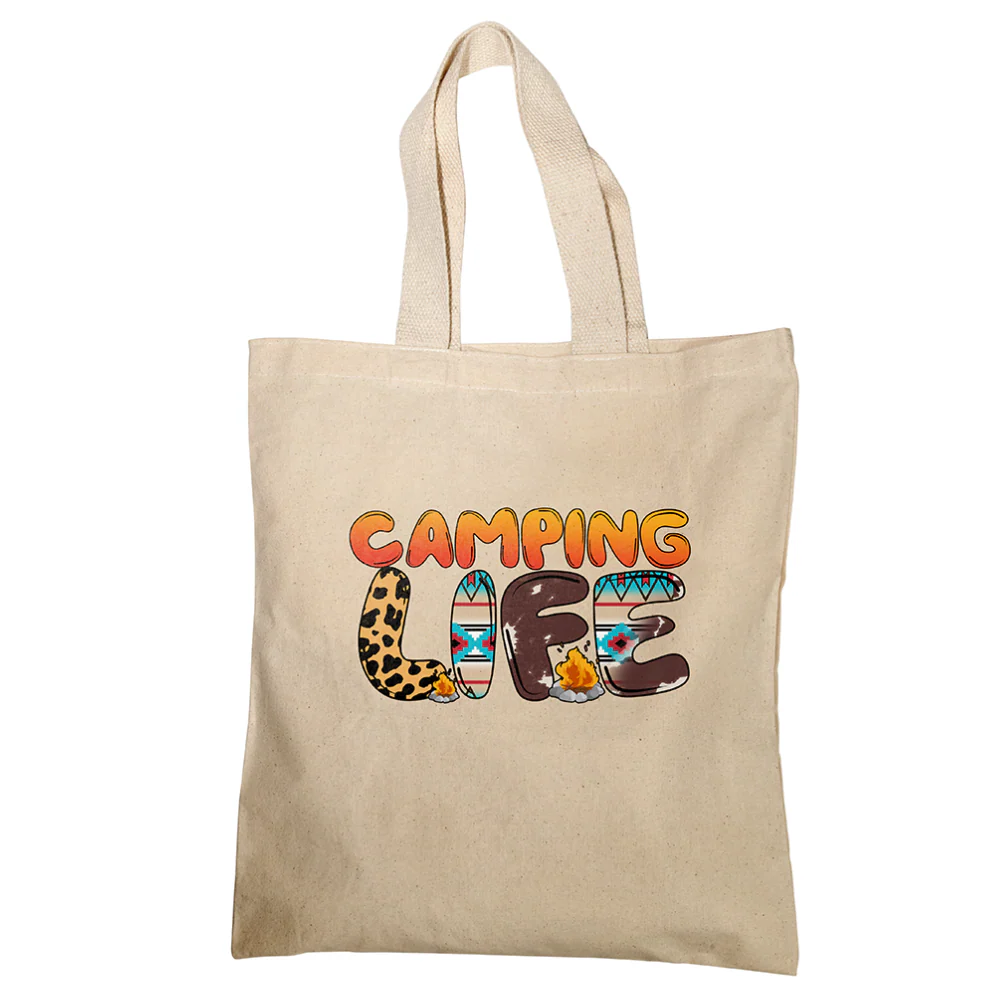
The apparel industry is becoming increasingly design-driven, with customers seeking originality, durability, and fast fulfillment. Brands that want to stand out must adopt production methods that support creativity without adding operational complexity. HarwinDTF provides dependable printing solutions that help apparel businesses grow while maintaining professional quality standards.
By combining technical expertise with a quality-focused mindset, HarwinDTF enables brands to deliver consistent results across every order. This reliability allows businesses to focus on innovation and brand identity while trusting their production partner.
The Growing Demand for Custom Apparel
Consumers today value personalized products that reflect their style and preferences. This demand has pushed apparel brands to adopt flexible production methods that can keep pace with changing trends.
HarwinDTF supports this demand by offering efficient workflows that prioritize both customization and consistency. Brands benefit from the ability to deliver unique designs without compromising quality.
Why print on demand Fits Creative Brands
The print on demand model allows brands to produce apparel only after an order is placed. This approach reduces inventory costs and encourages creative experimentation.
With HarwinDTF, this model becomes a strategic advantage. Reliable production ensures that every design is printed accurately, reinforcing customer trust and brand credibility.
The Practical Strength of dtf transfers
dtf transfers are valued for their adaptability across different fabrics and garment styles. They provide strong adhesion and vivid colors that last.
HarwinDTF applies strict quality controls to each transfer, ensuring consistent performance. This reliability helps brands deliver products that meet long-term customer expectations.
How dtf Technology Supports Detailed Designs
The dtf printing method allows intricate artwork to be applied smoothly without cracking or fading. It supports complex visuals while maintaining comfort.
Through ongoing investment in advanced equipment, HarwinDTF ensures this technology delivers professional-grade results. Each print reflects precision and durability.
Consistency as a Creative Advantage
Creative brands rely on consistency to protect their identity. Variations in print quality can weaken customer confidence and brand recognition.
HarwinDTF maintains standardized production processes to ensure uniform results. This consistency allows brands to scale creatively without risking quality.
Scalable Production for Artistic Growth
As creative brands gain popularity, production volumes often increase rapidly. Without scalable systems, growth can strain operations.
HarwinDTF offers scalable solutions that support both limited runs and large orders. This flexibility enables brands to expand while maintaining control.
Trust Built Through Professional Service
Successful production partnerships are built on transparency and dependability. Brands need assurance that their standards will be respected.
HarwinDTF prioritizes clear communication and reliable service, fostering long-term partnerships based on trust and performance.
Conclusion
Creative success in apparel depends on flexible production, consistent quality, and scalable solutions. HarwinDTF brings these elements together through advanced printing technology and professional service. By supporting creative freedom with reliable execution, the brand empowers apparel businesses to grow confidently in a competitive market.
Frequently Asked Questions
Who is this production model best suited for?
It is ideal for creative startups and established apparel brands.
Are the prints durable for long-term use?
Yes, they are designed to withstand repeated washing.
Can production scale with growing demand?
Yes, systems are built to support increasing order volumes.
Do these solutions work on different fabrics?
Yes, they are compatible with a wide range of materials.
Why is consistency important for creative brands?
Consistency protects brand identity and customer trust.