
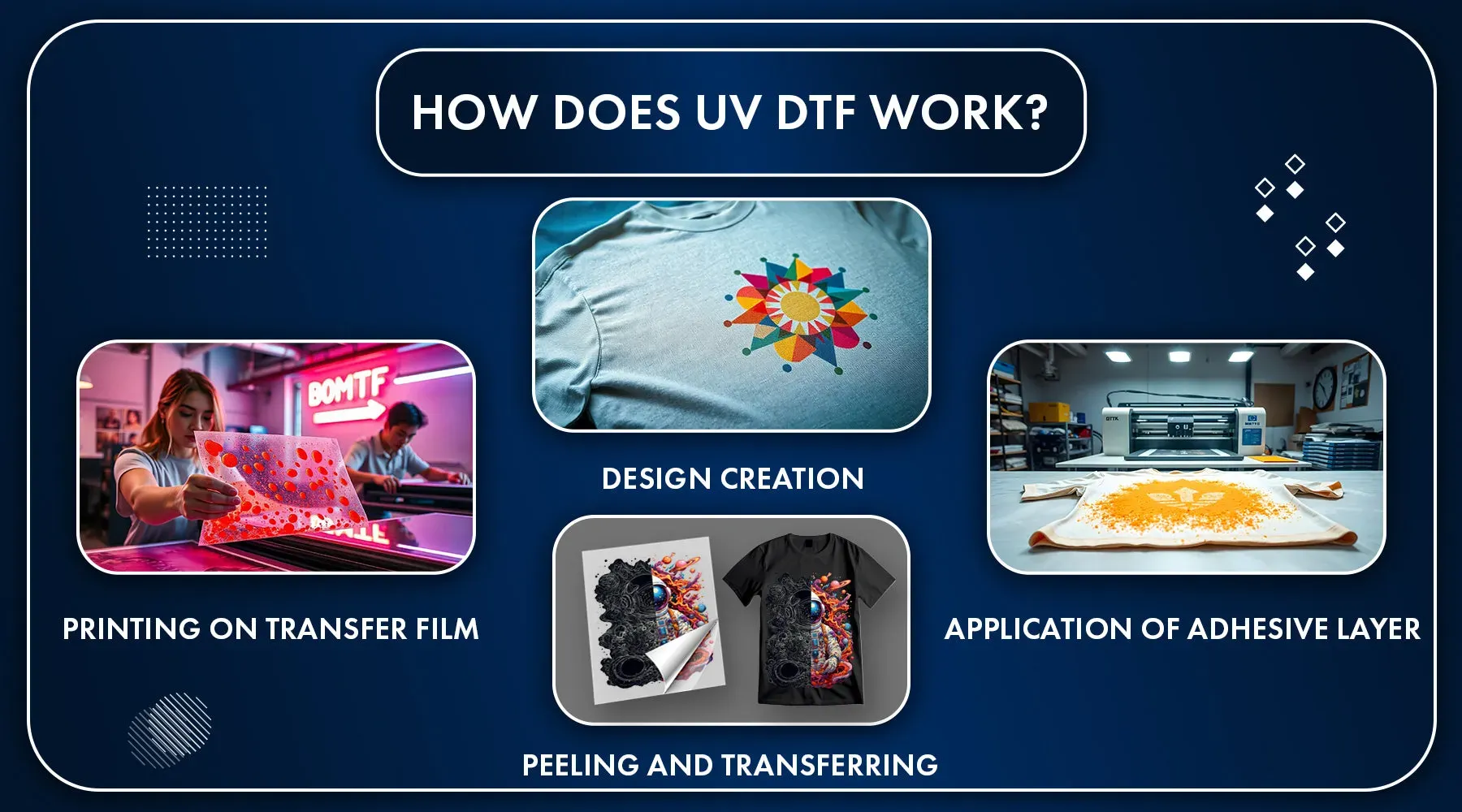
Long-Lasting UV DTF Transfer reliability isn’t left to luck; it starts with smart material choices and meticulous setup that keep designs vibrant, crackle-free, and durable through many washes. From fabric selection to post-print care, UV DTF transfer durability is shaped by how ink, adhesive, and curing interact on different materials, helping you predict performance before you press go. DTF transfer on different fabrics shows natural fibers bond differently than synthetics, so surface prep, pre-press timing, and adhesive thickness must be tailored for longevity. Mastering heat press settings for DTF is essential, with temperature, time, and pressure tuned to fabric weight, film, and ink chemistry to avoid scorching or edge lifting. Finally, care for UV DTF prints after application—washing inside-out, avoiding harsh detergents, and air-drying when possible—so your colors stay bright and your transfers last.
In other terms, achieving long-lasting visuals on textiles relies on substrate compatibility, ink chemistry, and a well-tuned curing sequence that binds color to fiber. Think of it as a system where UV-curable inks, adhesive layers, and controlled heat work in harmony to resist washing, rubbing, and sun exposure. You can frame the discussion around textile suitability, bond strength, and post-press conditioning to sustain vibrancy across garment types. LSI-friendly terms you might use include fabric compatibility, print durability, curing optimization, and post-print care to broaden how readers find this content. By using these related concepts, designers and printers can communicate the same idea through different search signals.
Long-Lasting UV DTF Transfer: The Chemistry and Process Behind Durability
UV DTF inks cure rapidly under UV light, forming a hard film that contributes to overall durability. The longevity of the final image hinges on the strength of the adhesive, how well the ink and fabric work together, and how completely the print is cured. Inadequate curing can leave residues or soft spots that crack or peel with wear.
To achieve truly long lasting results, optimize every link in the chain—from fabric selection and surface preparation to printer settings, heat press variables, and aftercare. Understanding the chemistry helps you design a durable Long-Lasting UV DTF Transfer capable of withstanding repeated wash cycles and general use.
DTF Transfer on Different Fabrics: How Fabric Types Influence Longevity
Fabric choice matters because natural fibers like cotton bond well and retain color but can be prone to dye bleed if not properly prepped. Synthetic fabrics such as polyester may require different adhesive layers and post-press conditioning to maximize adhesion. The goal is to maintain vivid designs after many washes, ironing sessions, and normal wear.
This is where fabric types for DTF transfers come into play: tailoring the process to the fabric type improves durability. Cotton and cotton blends benefit from clean, dry surfaces and thorough pre-pressing, while polyester and blends may need adjustments in adhesive thickness and curing to prevent edge cracking and moisture-related issues.
Heat Press Settings for DTF: Getting the Perfect Bond Every Time
Choosing the right heat press settings is essential for a durable transfer. A practical starting range is about 160–170°C (320–340°F) with medium pressure for 12–20 seconds, but exact numbers depend on fabric, film, and ink brand. Always follow the film and adhesive manufacturer guidelines and run a small test to fine tune the settings.
Key factors include temperature accuracy, dwell time, and even pressure across the design. If you’re working with dense fabrics or high thread counts, you may need slightly longer dwell times or a adjusted pressure to ensure the adhesive flows and bonds without scorching or edge cratering.
Care for UV DTF Prints: Aftercare to Preserve Color and Bond
Care for UV DTF prints starts with proper washing and drying. Turn garments inside out and use cold or warm water with a mild detergent, avoiding chlorine bleach and harsh detergents that can degrade the adhesive over time. Use gentle cycles when possible to reduce stress on the bond.
Post washing care also includes drying and ironing practices that protect the print. Prefer air drying or low to medium heat in a dryer, and iron only on the reverse side or with a protective cloth. Proper storage away from direct sunlight and heat helps preserve color brightness and bond longevity between wash cycles.
Fabric Types for DTF Transfers: Selecting Materials for Maximum Durability
Choosing the right fabrics for DTF transfers means aligning material properties with the ink and adhesive chemistry. Cotton fibers absorb ink well and can yield vivid results when properly prepped, while polyester resists moisture and may require stronger adhesive layers for durable bonding. Blends require balanced settings to honor both fibers.
Dark fabrics often need a base layer or liner to preserve color richness, while light fabrics can benefit from thorough moisture removal and careful curing. Selecting the right fabric type for DTF transfers supports edge stability and color fidelity over time, contributing to a lasting impression on various textiles.
Troubleshooting and Best Practices for Long-Lasting UV DTF Transfers
Common issues like edge peeling, cracking, or dull colors indicate gaps in curing, adhesion, or fabric preparation. Reassessing the pre-press step, ensuring consistent pressure, and validating your adhesive match to the fabric can resolve many durability problems.
A practical best-practice checklist helps maintain durability: run fabric-specific tests to identify optimal heat, time, and pressure; use high quality UV-curable inks and adhesives; perform a full cure during printing and consider a post-press cure if required by your system; and maintain a log of fabric types and outcomes to refine the process over time.
Frequently Asked Questions
What factors determine the durability of a Long-Lasting UV DTF Transfer?
Durability hinges on adhesive strength, ink curing, fabric preparation, and proper heat pressing. UV DTF uses UV-curable inks that cure quickly to form a strong bond with the fabric. When combined with thorough pre-pressing and careful post-press care, you can improve the Long-Lasting UV DTF Transfer’s resistance to washing, cracking, and peeling.
How does the UV DTF transfer on different fabrics affect Long-Lasting UV DTF Transfer results?
Different fabrics influence adhesion and color retention. Cotton and cotton blends bond well but may require pre-shrinking, while polyester and poly blends may need a slightly different adhesive and heat-press approach. Understanding fabric types for DTF transfers helps tailor the process for better durability of the Long-Lasting UV DTF Transfer.
What heat press settings for DTF optimize a Long-Lasting UV DTF Transfer?
A practical starting point is about 160–170°C (320–340°F) for 12–20 seconds with medium pressure. Always follow your film and adhesive manufacturer’s guidelines and run a small test on your fabric to fine-tune settings for optimal adhesion and edge stability, contributing to a Long-Lasting UV DTF Transfer.
How should you care for UV DTF prints to maintain Long-Lasting UV DTF Transfer quality?
Careful aftercare protects color and bond strength. Turn garments inside out, wash in cold or warm water with a mild detergent, and avoid chlorine bleach. Air dry or use a low heat setting, and avoid direct ironing on the print to preserve the Long-Lasting UV DTF Transfer.
Which fabric types for DTF transfers perform best with a Long-Lasting UV DTF Transfer, and how should you prep them?
Fabric types like cotton, cotton blends, and certain poly blends can yield strong results with proper prep. Start with a clean, dry surface, perform a pre-press to remove moisture, and allow cooling before applying the transfer. Tailor prep to the fabric type to maximize adhesion and durability for the Long-Lasting UV DTF Transfer.
What are common issues and fixes for a Long-Lasting UV DTF Transfer across fabrics?
Common problems include edge peeling, cracking after washing, dull colors on light fabrics, and ghosting on darks. Remedies include ensuring complete cure, using the correct adhesive layer, and verifying heat-press parameters for each fabric type. Conduct fabric-specific tests to identify optimal settings and improve the durability of the Long-Lasting UV DTF Transfer.
| Aspect | Key points |
|---|---|
| Durability foundation |
|
| Fabric choice matters |
|
| Fabric types and their impact on durability |
|
| Preparation sets the foundation |
|
| Printing and curing considerations |
|
| Heat press settings and timing for stability |
|
| Post-press care and aftercare |
|
| Practical steps for different fabrics |
|
| Troubleshooting: common issues |
|
| Best-practice checklist for fabric versatility |
|
| Summary |
|
Summary
Long-Lasting UV DTF Transfer is achievable through a deliberate, end-to-end process that begins with selecting the right fabric and ends with careful curing, heat-press tuning, and aftercare. This holistic approach emphasizes aligning ink, adhesive, fabric, and post-print care to produce vivid, crack-free designs that endure repeated washes. By controlling each step—from surface preparation to testing and aftercare—you can consistently achieve durable results across different fabrics and transfers.