
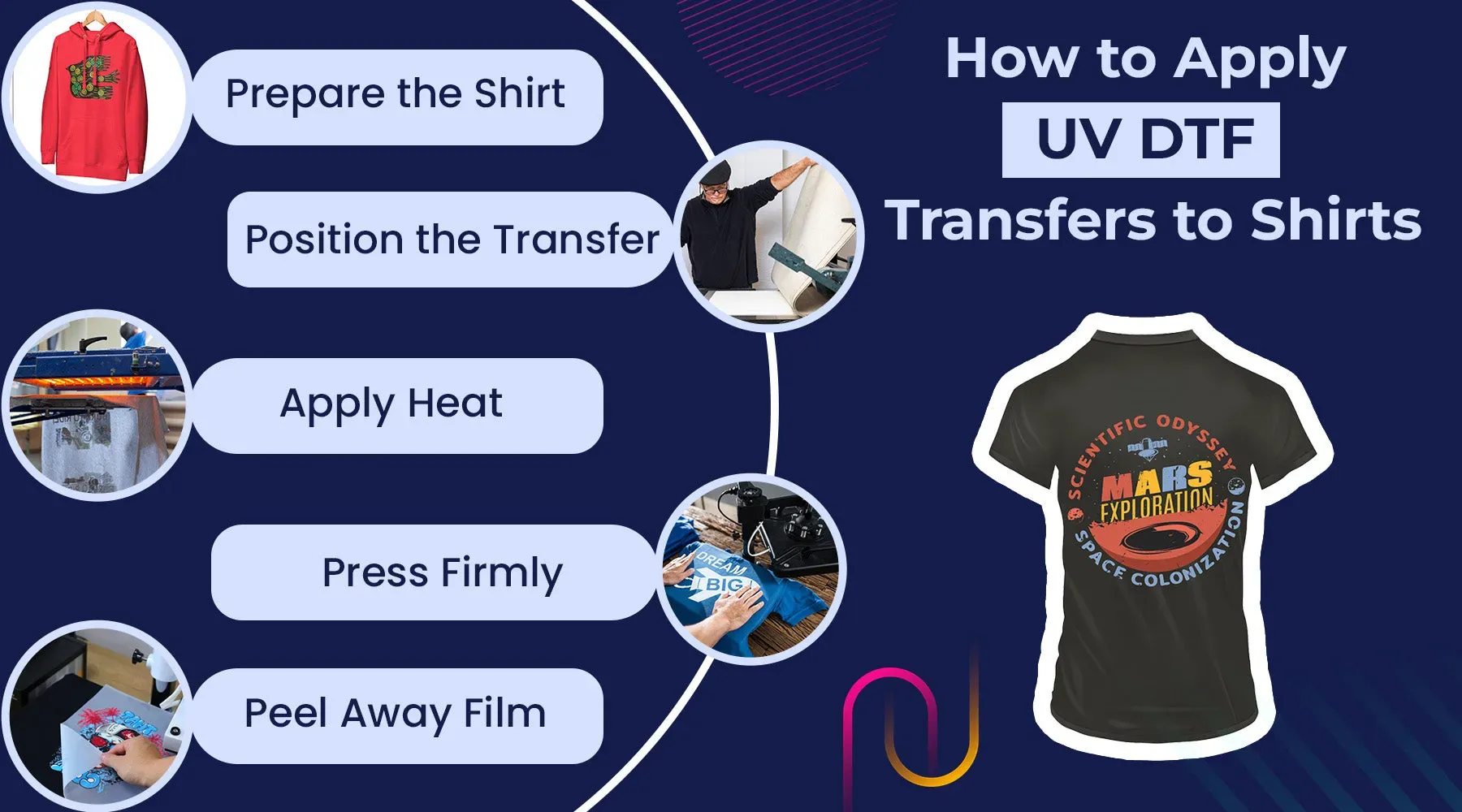
UV DTF transfer has emerged as a compelling option for apparel decorators and small brands seeking vibrant colors, quick turnaround, and versatile fabric compatibility. This technology blends Direct-to-Film principles with UV-curable inks, delivering bright color and fast production suited to small runs. While the approach offers notable UV DTF transfer benefits in terms of color and resilience, it also carries considerations around fabric compatibility and cost. If you’re evaluating its performance against traditional DTF, you’ll weigh curing speed, underbase needs, and touch while planning for long-term durability. To ground practical planning, this overview also touches on UV DTF printing on fabrics and how outcomes can vary by base fabric and color.
From an LSIs perspective, this process can be described as a UV-curable ink transfer on film that bonds to textiles through heat and pressure. Alternative terms you may see include UV-curable film transfer, UV-printed film imaging, and digital textile transfers, all describing a similar workflow. Key advantages highlighted by LSIs include crisp detail, wide color gamut, and quick cure times across a variety of fabric substrates. Practical considerations address adhesion, texture, and cost, informing decisions for small shops, print-on-demand services, and brands testing new designs.
1) UV DTF Transfer: What It Is and How It Works
UV DTF transfer combines the efficiency of a DTF workflow with UV-curable inks, printed on a PET film and then bonded to fabric via heat and pressure. This approach delivers bright, saturated color with a wide color gamut and sharp edges, often more vibrant on light fabrics than some traditional methods. When people talk about UV DTF printing on fabrics, they’re referring to printing the image with UV-curable inks, curing it quickly, and then using a heat-activated adhesive to transfer the design onto textiles.
The core distinction from standard DTF lies in ink chemistry and curing. UV DTF transfer uses UV-curable inks that set rapidly under UV exposure, enabling faster production cycles and potentially stronger color density. However, the process also raises considerations about substrate compatibility and how the finish feels after transfer, which can vary by fabric and by ink system used.
2) Benefits of UV DTF Transfer for Small Shops and Brands
One of the most compelling reasons to adopt UV DTF transfer is the UV DTF transfer benefits it offers for small shops and brands. The technology typically yields brighter colors, better color saturation, and a broader gamut, which helps logos and artwork stand out on apparel. In addition, the fast curing speed of UV inks can shorten production cycles, making quick-turnaround orders more feasible for limited runs.
Beyond color and speed, UV DTF transfers often provide good durability on many fabrics and versatile substrate compatibility, including certain blends and some synthetics. For entrepreneurs focusing on short runs or customized merchandise, the combination of predictable results and lower setup costs compared to screen printing can be appealing, especially for high-m mix, small-batch environments.
3) Limitations of UV DTF Transfer: Fabric, Feel, and Longevity
Despite strong advantages, UV DTF transfer has limitations that decorators should respect. Fabric compatibility and underbase considerations are important: dark fabrics frequently require an underbase to achieve opacity and vibrant color, which can affect hand feel and thickness. Understanding how the adhesive layer and film interact with different fabrics helps prevent surprises in wash performance.
Other caveats include hand feel and texture, particularly on heavier applications or with stretchy fabrics where edge lifting can occur if the bond isn’t optimized. Equipment costs and ongoing ink or consumable expenses are also higher with UV-curable systems, and long-term aging or chemical resistance can vary by formulation. Thorough testing on representative fabrics is advisable for critical or high-wear applications.
4) UV DTF vs Traditional DTF: A Side-by-Side Comparison
When comparing UV DTF transfer to traditional DTF, the ink chemistry and curing method are the most evident differences. UV DTF relies on UV-curable inks that cure quickly under UV light, while traditional DTF typically uses water-based inks that cure with heat. This distinction influences curing speed, color density, and substrate compatibility, and can lead to different production throughput in practice.
Other contrasts include opacity and underbase requirements, feel and flexibility, and long-term durability. Dark fabrics often need underbases in both methods, but the exact approach and resulting hand feel can differ depending on the ink system and film used. Longevity and care implications hinge on fabric type, ink chemistry, and how precisely the curing and finishing steps are executed.
5) Best Use Cases for UV DTF Transfer on Fabrics
Best use cases for UV DTF transfer include scenarios where speed, color vibrancy, and batch flexibility matter. Small-batch apparel, custom merchandise, and event-based designs like school or team logos benefit from the fast UV curing and straightforward workflow. The ability to prototype artwork quickly and test color accuracy without large upfront costs makes UV DTF transfers appealing for trial runs.
Other strong uses include garment customization for e-commerce, where rapid fulfillment and personalization are important, and printing on light to mid-tone fabrics where UV inks deliver crisp edges and clean details. It’s also attractive for piloting new artwork before committing to more expensive screen costs, offering a flexible path from concept to production without heavy minimums.
6) UV DTF Printing on Fabrics: Techniques, Tips, and Practical Considerations
UV DTF printing on fabrics benefits from careful color management, high-resolution artwork, and a well-planned underbase strategy. Design files should be created with ample detail and tested at the printer’s native resolution to preserve sharp edges and fine lines. Selecting the right fabric and film combination—and confirming with a small test run—helps ensure reliable adhesion and wash durability.
Practical tips include pretreating fabrics, controlling surface tension, and validating pressing temperature, pressure, and time for each fabric type. Post-cure or light post-press finishing can improve durability on some designs. For care, advise customers to turn garments inside out, use mild detergents, and avoid harsh chemicals to maximize the life of UV DTF transfers.
Frequently Asked Questions
What are the UV DTF transfer benefits for apparel decorators?
UV DTF transfer benefits include bright, high-contrast color from UV-curable inks, fast curing that speeds production, good durability on cotton and blends, and reliable results for short runs and custom orders.
What are the UV DTF transfer limitations designers should consider?
Limitations include fabric compatibility requiring underbases on dark fabrics, potential hand feel changes from the adhesive layer, durability concerns on very stretchy fabrics, higher upfront costs for UV printers and curing systems, and variability in long-term aging and chemical resistance.
How does UV DTF transfer compare to traditional DTF (UV DTF vs traditional DTF)?
UV DTF transfer uses UV-curable inks and rapid UV curing, offering faster production and potentially better color density, while traditional DTF uses water-based inks with different curing and adhesion dynamics. Underbase, opacity, touch, and substrate compatibility can differ, impacting feel and cost depending on the workflow.
What are the best use cases for UV DTF transfer?
Best use cases include small-batch apparel and custom merchandise, event-based designs and team gear, garment customization for e-commerce, prints on light to mid-tone fabrics, and rapid prototyping of artwork before committing to screen costs.
Can UV DTF printing on fabrics achieve vivid results on dark fabrics, and what underbase is needed?
On dark fabrics, a white or light underbase is often required to achieve opacity and true color with UV DTF printing on fabrics. On light fabrics, vibrant color can be achieved with minimal underbase. Plan underbase strategy and test to ensure edge sharpness.
Which fabrics are best suited for UV DTF transfer and how should you prep fabric?
Fabric types that work well include cotton, cotton blends, and some poly blends; pure polyester can work with the right ink system and underbase. Pick fabrics with low stretch or test adhesion first; ensure fabric is clean, lint-free, and preheated as needed for uniform bonding.
| Topic | Key Points |
|---|---|
| What is UV DTF transfer? | UV DTF transfer is a workflow that uses UV-curable inks on a DTF film, which is cured with UV light, coated with adhesive powder, and heat-pressed onto fabric to produce a bright, durable image. It differs from standard DTF in ink chemistry and curing method. |
| Benefits | – Bright, high-contrast color with wide color gamut and sharp edges, especially on light fabrics. – Faster curing and production throughput due to rapid UV curing. – Good durability on many fabrics when properly applied. – Versatility across substrates, including some synthetics and blends. – Consistent results for short runs with lower setup costs. |
| Limitations | – Fabric compatibility and underbase needs (dark fabrics often require white underbase). – Potential hand feel or texture due to adhesive layer. – Durability under stretch can vary; substrates matter. – Higher upfront equipment costs and ink costs. – Long-term aging and chemical resistance depend on ink formulation; testing advised. |
| Ideal use cases | – Small-batch apparel and custom merchandise. – Event-based designs and team gear. – Garment customization for e-commerce. – Prints on light to mid-tone fabrics. – Prototyping new artwork before large-scale screen costs. |
| Material & substrate considerations | – Fabric types: cotton, blends, and some poly blends; polyester possible with right ink and underbase; avoid very high-stretch fabrics. – Fabric color: lighter fabrics need less underbase; darker fabrics need an underbase for opacity. – Pretreatment and prep: clean fabrics, proper surface tension, lint-free prep; preheating can help. – Adhesive film and powder: quality affects bonding strength and wash durability; follow supplier guidelines. |
| Design & color management | – Resolution and detail: use high-resolution artwork; vector elements for best results. – White underbase strategy on dark fabrics to ensure opacity. – Color consistency: calibrate printer with the same media and curing setup used in production. |
| Process workflow & best practices | – Design and RIP with proper color management. – UV print onto DTF film with UV-curable inks. – UV cure thoroughly to prevent smudging. – Powder coat and cure the adhesive. – Transfer by heat pressing the film onto the garment. – Cool and remove the film; post-treat if needed for durability. |
| Care, durability & washing | – Turn garments inside out when washing to protect the transfer. – Use cold or warm water with mild detergents. – Air dry or low-heat tumble dry. – Avoid chlorine bleach and fabric softeners that can degrade adhesive. – Conduct wash testing on representative fabrics/dyes. |
| UV DTF vs traditional DTF | – Ink chemistry: UV-curable vs water-based inks. – Curing & throughput: UV cure can be faster but requires UV equipment. – Opacity/underbase: may differ by ink system; dark fabrics often need underbase in both methods. – Feel: hand feel may vary due to film/adhesive. – Longevity: durable with proper care; depends on fabric, ink, and curing. |
| Cost considerations & scalability | – Upfront investment in UV printer and curing equipment; costs amortized over many orders. – Ongoing costs for UV inks and films; batch size affects per-unit cost. – Material costs: films, powders, adhesives; quality control reduces waste. – Maintenance/downtime: lamp replacements and calibration. – Growth planning: assess fit for target volumes; complementary methods (e.g., traditional DTF or screen printing) may be advantageous at higher volumes. |
| Troubleshooting common issues | – Incomplete cure or smudging: ensure sufficient UV exposure and proper lamp intensity. – Uneven bonding: verify even pressure/temperature and fabric prep. – Ghosting or color bleed: ensure film lies flat and artwork setup is correct; check underbase decisions. – Lifted edges after washing: reassess heat-time/pressure and confirm suitable adhesive/film for fabric. |
Summary
Conclusion: UV DTF transfer offers a flexible, high-impact option for modern garment decoration. It integrates UV-curable inks with a DTF workflow to deliver vibrant color, fast curing, and broad substrate compatibility, making it appealing for small businesses, custom shops, and makers seeking rapid turnaround without large minimums. While considerations around fabric compatibility, underbase requirements, and equipment costs exist, proper planning and workflow tuning can maximize benefits. By selecting suitable fabrics, managing color accurately, and following correct curing and pressing protocols, UV DTF transfer enables high-quality, durable prints that stand out in a competitive market for UV DTF transfer.