
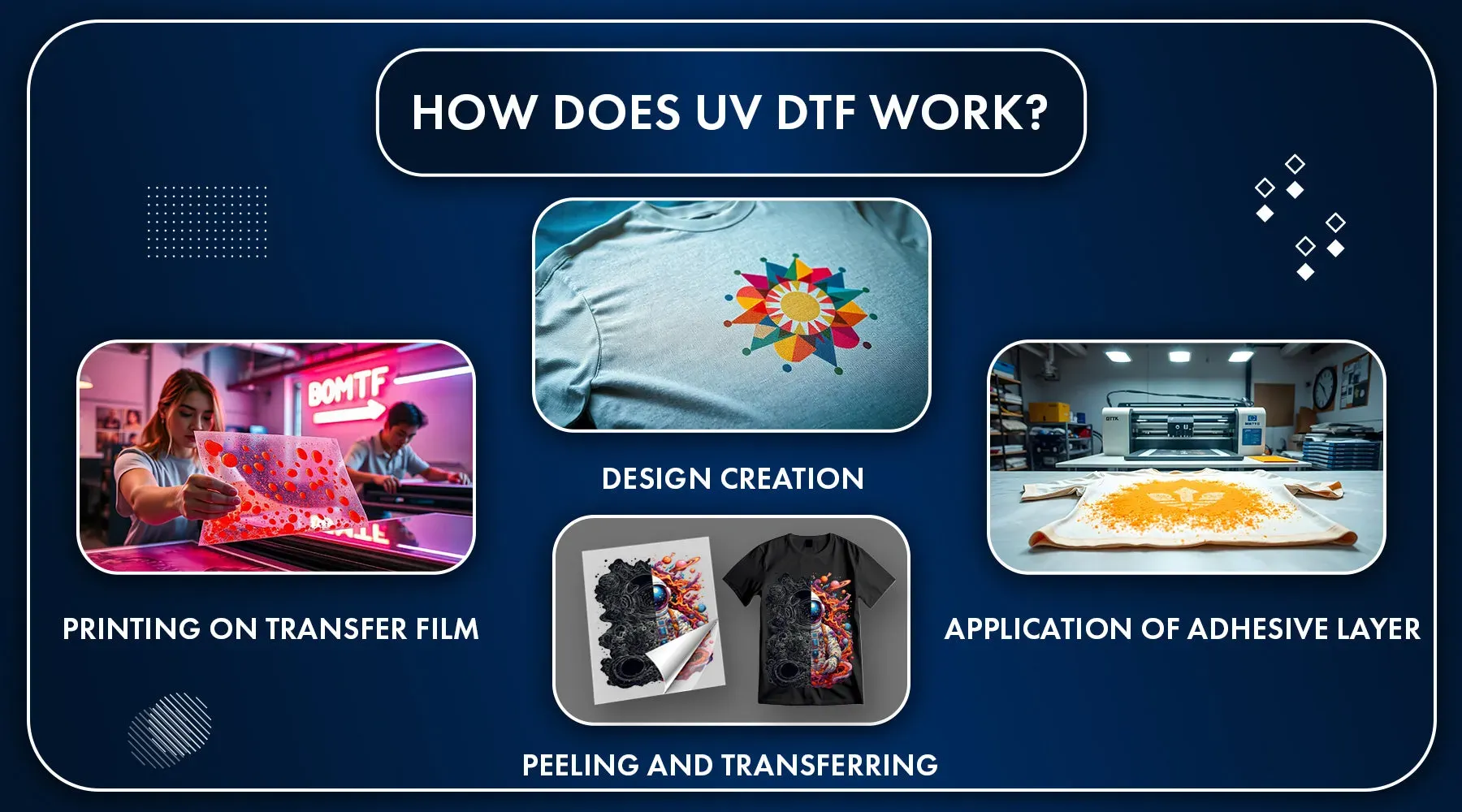
UV DTF Transfer is changing the game for small apparel and product decor businesses, offering vibrant, durable prints with faster turnaround. This guide explores the UV DTF transfer cost, breaking down equipment, consumables, and substrate choices that affect your bottom line. By comparing DTF transfer pricing across suppliers and weighing DTF vs UV transfer options, along with UV printing for small business applications, you can build a realistic budget. We’ll also map how UV DTF printing cost guide parameters translate into margins, so you can forecast ROI with confidence. Whether you’re starting a new line or expanding capabilities, understanding the tradeoffs helps you select the right method for your fabrics, plastics, and hard surfaces.
Alternative terms for UV DTF Transfer include ultraviolet-curable ink transfer, UV-curable digital transfer, and UV-ink based garment printing. This approach emphasizes substrate versatility, rapid curing, and durable finishes across textiles, plastics, glass, and coated surfaces. From an optimization perspective, small businesses should weigh capital outlay, consumables, and maintenance against throughput gains and customer satisfaction. Using LSIs such as UV-curable transfer, UV-ink printing, and UV printing on diverse substrates helps connect budgeting decisions to real-world results.
UV DTF Transfer: What It Is and Why It Matters for Small Businesses
UV DTF Transfer combines ultraviolet-curable inks with a digital transfer process to deliver vibrant, durable prints on a wide range of substrates, from fabrics to plastics and coated hard surfaces. It is designed to streamline production by reducing layering steps and enabling fast curing, which can shorten turnaround times for custom orders. For small businesses evaluating print methods, UV DTF Transfer offers a compelling blend of speed, quality, and substrate versatility.
Understanding how this method scales starts with the core cost drivers, including equipment, consumables, substrates, maintenance, labor, and energy use. Because UV-curable inks cure instantly, productivity can improve, enabling more jobs per day and expanding the range of products you can offer, all while maintaining consistent quality.
Breaking Down UV DTF Transfer Cost: Equipment, Consumables, and ROI
The total cost of UV DTF transfer hinges on three upfront areas: a UV-capable printer or conversion setup, the consumables such as inks and transfer films, and the supporting software and automation that keep jobs moving. In many cases, the ‘UV DTF transfer cost’ is the largest upfront investment, so it should be weighed against expected throughput gains and higher-value applications.
A practical ROI model starts with your average order value (AOV) and monthly volume, then assigns per-unit costs for ink, film, and substrate, plus a share of maintenance and energy. If the longer-term profit per item—driven by faster turnaround and broader substrate compatibility—outweighs the equipment and operating costs, UV DTF transfer can deliver solid ROI. Framing this as a ‘UV DTF printing cost guide’ helps you set realistic targets and avoid overspending.
DTF vs UV Transfer: Key Differences for Small-Batch and On-Demand Printing
DTF and UV Transfer each bring distinct strengths. DTF workflows typically rely on textile-ready inks and powders and often offer lower per-unit substrate costs for apparel, while UV Transfer uses UV-curable inks that cure instantly and can print on a wider substrate range, including plastics and coated surfaces. For small-batch runs and on-demand printing, understanding these differences helps you choose the most cost-effective method for your product mix.
Other factors to weigh include turnaround speed, setup complexity, and post-processing needs. UV curing can shorten lead times but may require substrate pre-treatments to optimize adhesion on certain materials. When evaluating ‘DTF vs UV transfer’ for your shop, consider existing equipment, supplier pricing, and your ability to maintain color fidelity across substrates to preserve consistency.
Understanding DTF Transfer Pricing: How Suppliers Set Costs and What Affects Them
DTF transfer pricing is influenced by the costs of raw materials—inks, powders, and films—along with equipment depreciation and supplier contracts. Volume discounts, lead times, and bundled consumables can shape the final price per transfer. Because these dynamics shift with supply chains, tracking ‘DTF transfer pricing’ trends over time helps budgeting and forecasting.
To manage pricing pressure, negotiate long-term contracts, lock in bulk ink and substrate rates, and compare multiple suppliers. If you’re considering UV curing as an alternative or complement, you may find that UV DTF transfer costs behave differently but can yield faster throughput and broader substrate compatibility, influencing your overall budgeting strategy.
UV Printing for Small Business: Budgeting, Substrates, and Turnaround Times
For many small businesses, total cost of ownership matters more than the sticker price. UV printing for small business offers durability and flexibility across a broad substrate mix, but it requires upfront budgeting for equipment and ongoing consumables. Planning around monthly run rates helps justify the investment by aligning capabilities with revenue opportunities, such as faster turnarounds and additional product options.
Substrate compatibility, pre-treatments, and calibration all influence cost and performance. A procurement plan that negotiates favorable terms for ink, films, and maintenance can protect margins, while dedicated operator training reduces waste and rework, improving overall efficiency in UV DTF transfer workflows.
UV DTF Printing Cost Guide: Estimating Ink, Film, Substrates, and Maintenance
A practical UV DTF printing cost guide starts with mapping your typical job mix and translating it into per-unit costs: ink usage, transfer film consumption, substrate waste, and energy or maintenance overhead. Building a simple calculator to model these inputs helps forecast unit economics across your most common SKUs.
Conduct pilots to validate your cost assumptions on the substrates you plan to print and track actual ink usage, film consumption, and labor time. Refining these figures over time improves pricing accuracy and margins, ensuring your UV DTF printing cost guide reflects real-world performance and supports sustainable growth.
Frequently Asked Questions
What is UV DTF Transfer and how does its cost compare in the DTF vs UV transfer landscape?
UV DTF Transfer blends ultraviolet-curable inks with a digital transfer process to produce vibrant, durable prints on many substrates. In cost terms, it sits between traditional DTF transfer systems and UV-only setups, with the main drivers being upfront equipment investment, consumables, and substrate versatility. When you compare DTF vs UV transfer options, consider not only the sticker price but also per-unit ink/film costs, curing energy, and potential throughput gains that affect total cost of ownership.
How is the UV DTF transfer cost calculated for a UV printing setup in a small business?
Key components include equipment investment, consumables (UV inks, transfer films), substrates, maintenance, labor, and energy. Estimate your monthly run rate and apply a per-item cost to calculate the full UV DTF transfer cost. This approach aligns with budgeting for UV printing for small business and helps you project ROI.
How does DTF transfer pricing differ when choosing UV DTF transfer versus traditional DTF?
DTF transfer pricing varies with ink, powder, and film costs, plus throughput and automation. Adding UV DTF transfer introduces UV-curable inks and curing equipment, which can raise upfront price but may lower per-unit costs through faster production and broader substrate compatibility. Evaluate pricing across suppliers to understand the difference in DTF transfer pricing between UV DTF transfer and traditional DTF.
Is UV printing for small business cost-effective when using UV DTF Transfer?
Cost-effectiveness depends on order volume and turnaround needs. UV DTF Transfer can deliver faster curing, broader substrate compatibility, and higher-quality finishes, which may justify higher upfront costs. The UV DTF printing cost guide suggests weighing upfront investment against longer-term savings and potential revenue growth for UV printing for small business.
What should I know from a UV DTF printing cost guide when budgeting for a new UV DTF Transfer system?
A UV DTF printing cost guide highlights the main cost drivers: equipment price, consumables, substrates, maintenance, labor, and energy. Use it to forecast total cost of ownership, compare with other methods, and plan for a break-even timeline based on your UV DTF transfer budget.
What factors influence the total cost of ownership and ROI for UV DTF Transfer, and how does it relate to DTF vs UV transfer?
Key factors include equipment cost, ink and film costs, substrate mix, maintenance, labor, and energy. ROI improves with faster turnaround and broader substrate compatibility. When evaluating UV DTF Transfer, compare against DTF vs UV transfer options to understand the total cost of ownership and potential revenue impact.
| Key Point | Overview |
|---|---|
| What is UV DTF Transfer? | A printing method that combines UV-curable inks with a digital transfer process to produce vibrant, durable prints on many substrates, with fewer steps and faster curing than traditional heat transfer. |
| Why it matters for small businesses | Offers speed, durability, and substrate versatility to expand product options and shorten turnaround times, enabling more customizations across fabrics, plastics, glass, and coatings. |
| Main cost components | Equipment investment, consumables and materials, substrates and product mix, maintenance and upkeep, labor and throughput, and energy/operating overhead. |
| ROI and budgeting approach | Estimate average order value (AOV) and monthly volume, compute per-unit costs, derive gross profit per item, factor in equipment/maintenance for break-even, and compare to alternative methods (DTF/DTG/heat transfer). |
| UV DTF Transfer vs DTF Printing | UV DTF often offers stronger durability, broader substrate compatibility, and faster curing; pricing depends on inks/films and may add substrate pre-treatments; calibration and color management are important for consistent quality. |
| UV printing options for small businesses | Works well for durable prints on diverse materials and fast turnarounds when upfront investment is feasible; favorable supplier terms help, but consider higher upfront costs and ongoing maintenance. |
| Budgeting tips to minimize costs | Choose scalable equipment, optimize ink usage, negotiate with suppliers, standardize substrates, invest in staff training, monitor maintenance, and run pilot projects to refine settings before large launches. |
| Case scenarios (budgeting in action) | Scenario A explores quick turnarounds for apparel on multiple fabrics; amortize equipment over 12–18 months. Scenario B considers a lighter setup for high-margin, limited-substrate home decor with selective UV investments. |
| Bottom line | UV DTF Transfer can be valuable when product mix, order volume, and delivery needs align with its strengths; assess total cost of ownership against potential revenue gains from faster turnarounds and broader substrate options. |
Summary
This table highlights the core ideas from the base content about UV DTF Transfer, including cost drivers, comparisons with other transfer methods, budgeting approaches, and practical considerations for small businesses.