
UV DTF Transfer is redefining fast-turnaround printing for makers who refuse to compromise on color or durability. By combining UV-curable inks with a transfer film, you can achieve vivid, long-lasting results on a range of substrates, a hallmark of DTF transfer. Understanding heat settings for DTF is crucial, as consistent temperature and pressure ensure clean edges and reliable adhesion. Preparing printable designs for transfers with proper sizing, color management, and underbases helps color pop and minimizes post-press troubleshooting. With a quick setup and clear workflow, busy crafters can meet tight deadlines while maintaining quality across runs.
Viewed through alternative terminology, this approach is UV-curable, film-based transfer printing that moves designs from a printer to fabrics and other substrates. Often described as direct-to-film transfer, it emphasizes rapid curing, strong color reproduction, and a streamlined workflow ideal for on-demand production. From an LSI perspective, the concept aligns with digital textile printing, substrate compatibility, and careful color management to keep outcomes consistent. Practically, success depends on selecting the right transfer film, optimizing heat and pressure, and applying proper post-processing to ensure durability.
UV DTF Transfer for Busy Makers: Speed, Color, and Consistency
UV DTF Transfer uses UV-curable inks printed onto a transfer film, then heat-pressed onto a variety of substrates. This approach delivers fast curing, vibrant color, and clean edge definition, making it an attractive option for on-demand production and tight deadlines. By combining the reliability of a solid transfer process with the speed of UV inks, busy makers can move from design to finished product in fewer steps without sacrificing durability or appearance.
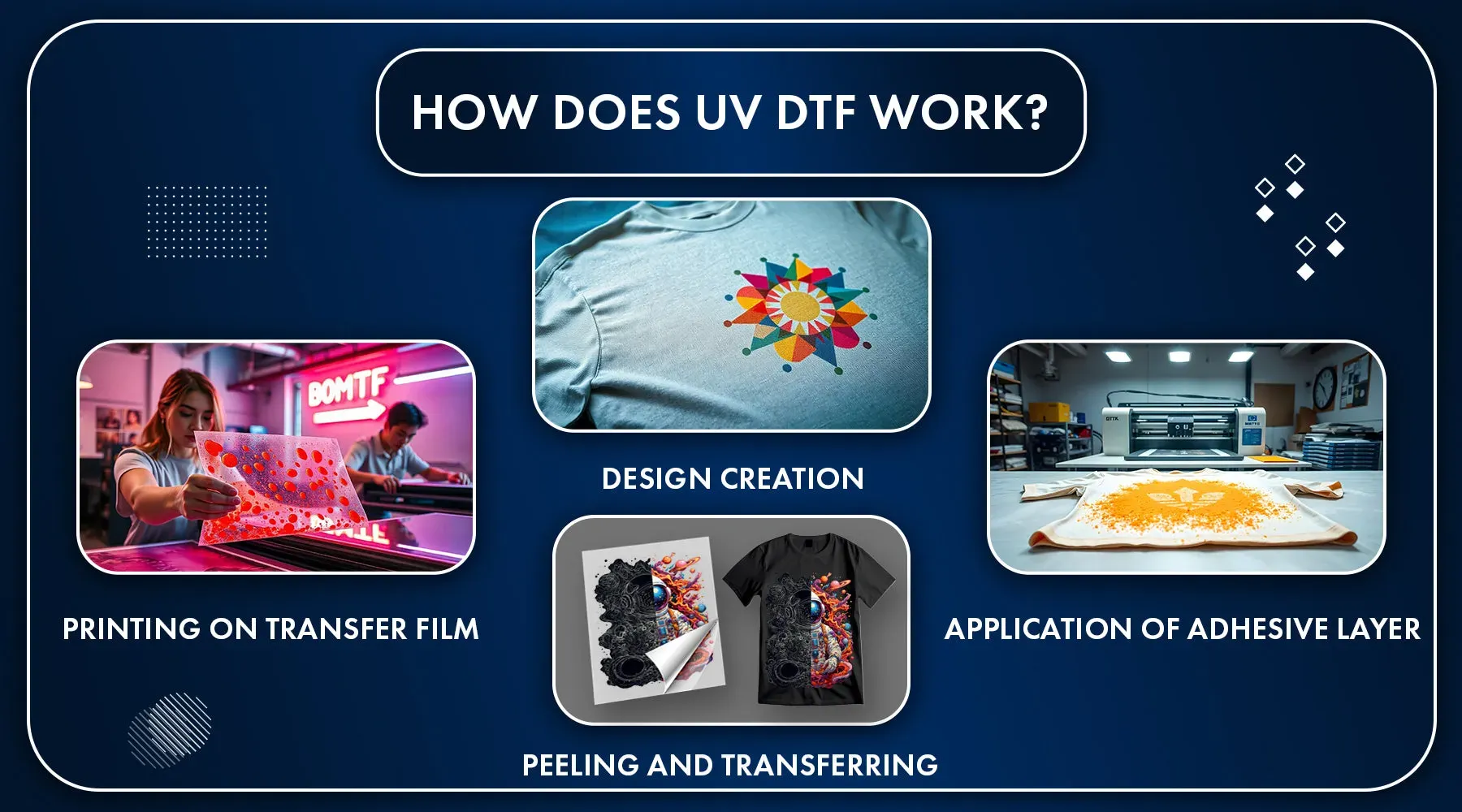
The workflow centers on a streamlined sequence: design, print, powder, cure, and press. This repeatable path reduces setup time between runs and helps keep projects moving. In practice, you’ll be working with DTF transfer concepts, transfer films, and UV inks to achieve consistent results across batches, while maintaining the option to adjust designs for substrates and product types as needed.
Substrates That Shine with UV DTF Transfers
A successful UV DTF transfer hinges on choosing the right substrates. Cotton and cotton blends, light-to-mid-tone fabrics, and poly-blends are commonly reliable, provided you manage underbases and curing steps correctly. You can also extend the method to rigid substrates like plastics, metal, and wood with the appropriate transfer film and heat settings. Cleanliness and surface preparation remain critical for optimum adhesion.
Rigid and flexible substrates each demand specific handling. For fabrics, pre-treatments or surface conditioning may improve ink adhesion, especially on darker garments where opacity matters. On rigid substrates, ensure flat, wrinkle-free placement and consistent pressure. By matching substrates to the right film and curing parameters, you maximize color fidelity and edge sharpness across materials.
Designing for UV DTF: Printable Designs for Transfers that Pop
Effective designs for UV DTF transfers start with crisp vector artwork and color-management planning. Vector-based elements scale cleanly for different garment sizes, and careful color separation helps prevent banding or color drift. When preparing printable designs for transfers, account for shrinkage or stretch of the substrate and verify that your color profiles align with the printer and ink system.
For darker substrates, plan for a white underbase or opacity strategy to ensure brightness and legibility. This involves layering UV inks to create the necessary opacity before the final colors are applied. Managing underbase opacity, edge sharpness, and alignment during the design phase reduces post-press adjustments and sets the stage for consistent, high-impact results.
Heat Settings for DTF: Achieving Consistent Transfers
Heat settings for DTF transfers are critical for strong adhesion and color fidelity. Start with manufacturer-recommended temperatures, pressures, and dwell times for UV DTF, then tailor them to each substrate. Consistent heat and pressure help prevent issues like scorching, edge curling, or incomplete adhesion, especially when running multiple items in a batch.
Documenting a reusable setup sheet that captures time, temperature, and pressure values for each substrate streamlines repeatable production. Periodic testing and small adjustments—based on observed results such as edge definition or color saturation—ensure the process remains reliable as you scale up or switch between designs and materials.
Troubleshooting UV DTF Transfer Issues
Even with a solid setup, issues can arise. Common UV DTF transfer problems include inadequate adhesion, fuzzy edges, color bleeding, or white underbase not appearing bright enough on dark fabrics. Start by verifying substrate cleanliness, proper curing of the film, and that heat press temperature and dwell time match recommended values.
A practical troubleshooting approach involves checking print fidelity, ensuring powder is evenly distributed, and confirming proper alignment before pressing. If problems persist, adjust color management, reprint a test, and re-evaluate curing and post-processing steps. Having a documented checklist helps you quickly diagnose and fix issues across batches.
Workflow Optimization and Longevity of UV DTF Transfers
Optimizing workflow means batching tasks, establishing repeatable sequences, and documenting core settings. By designing a batch-ready process—design, print, powder, cure, press—you can maximize throughput without sacrificing quality. A well-maintained setup, including clean transfer films and properly stored substrates, reduces variability between runs.
Long-term durability comes from proper curing, post-processing, and customer care guidance. Include washing and care instructions with finished products, store films and underbase materials in dry environments, and maintain your printer and heat press through regular service. By treating each transfer as part of a repeatable system, you’ll build efficiency, consistency, and customer confidence in your UV DTF transfers.
Frequently Asked Questions
What is UV DTF Transfer and how does it compare to a traditional DTF transfer?
UV DTF Transfer uses UV-curable inks printed on a transfer film, then heat-pressed onto substrates such as textiles, plastics, or other fabrics. It delivers fast curing, vibrant color, and a streamlined workflow ideal for on-demand production, with strong color fidelity and clean transfer edges compared with traditional DTF transfers.
Which substrates are best for UV DTF Transfer and how do substrates affect adhesion?
Cotton, cotton blends, and light-to-mid-tone fabrics typically deliver the best results with UV DTF Transfer. Polyester and poly-blends also perform well when proper pretreatment or surface preparation is used. Rigid substrates such as plastics, metal, and wood are possible with the right transfer film and heat settings. Always start with clean, oil-free surfaces and consider underbase strategies on darker fabrics.
What are the recommended heat settings for UV DTF Transfer and how do I dial them in?
Follow the ink and transfer film manufacturers’ guidelines for heat, pressure, and dwell time. Start with their recommended temperature, time, and pressure, then run small test prints to adjust for your substrate and design. If you see ghosting, edge curling, or poor adhesion, revisit your substrate temperature, press time, and pressure, and document the settings for consistency across batches.
How should I design printable designs for transfers to optimize results with UV DTF Transfer?
Design with UV DTF Transfer in mind: use vector artwork for sharp edges, account for any shrinkage or stretch of the substrate, plan for a white underbase on dark fabrics, and ensure color management and printer profiles match the inks. Verify that printable designs for transfers fit the transfer film and target garment dimensions.
What are common troubleshooting steps for UV DTF Transfer issues?
Troubleshooting UV DTF Transfer issues: common problems include inadequate adhesion, fuzzy edges or color bleeding, underbase not appearing bright on dark fabrics, powder not releasing cleanly, and cracking after washing. Fixes: ensure substrate is clean and dry, cure the film correctly, verify heat settings and dwell time, distribute powder evenly, and follow proper washing and care guidelines for the finished product.
What post-transfer finishing steps and care practices improve the durability of UV DTF Transfer prints?
Post-transfer finishing and care: perform any recommended post-press cure, allow the product to cool completely, and provide customers with washing and care instructions to maximize durability. Regularly maintain your printer and transfer materials, store films properly, and choose high-quality substrates to improve longevity and colorfastness.
| Topic | Key Points |
|---|---|
| What is UV DTF Transfer? | Uses UV-curable inks on a transfer film that is heat-pressed onto substrates (textiles, plastics, fabrics). Benefits include fast curing, vivid color, and a streamlined workflow. Compared to dye-sub or solvent methods, UV DTF offers strong color fidelity and clean transfer edges, making it ideal for busy makers seeking consistent results. Related concepts include DTF basics, suitable substrates, heat settings, post-processing, underbases, and curing requirements. |
| Quick Setup Guide for Busy Makers | 1) Prepare workspace/materials: clean, dust-free area; transfer film, UV inks, and powder; compatible heat press and timer. 2) Design/printing considerations: fit transfer film, account for substrate shrinkage/stretch; use vector art; confirm color management; plan white underbase for dark fabrics if supported. 3) Printing with UV DTF inks: load inks per guidelines; run nozzle checks/calibration; print a test swatch; adjust color profiles as needed. 4) Powdering and curing: apply light, even powder; cure per ink specs; allow film to cool. 5) Transfer/press settings: align transfer; set temperature/time/pressure; use appropriate hot/cold peel method. 6) Post-transfer finishing: post-press cure if recommended; cool completely; inspect batch for consistency. |
| Substrates, Inks, and Finishes | Substrates: cotton/cotton blends, light to mid-tone fabrics; polyester and poly-blends; rigid substrates (plastics, metal, wood) with appropriate film/heat. Ensure clean, dry surfaces free of oils/coatings. Inks/Color handling: UV-curable inks give fast curing and strong color; use printer-specific color profiles; white underbase/opacities for darker fabrics. Heat settings/timing: follow manufacturer guidelines; adjust based on results; watch for ghosting, edge curling, or adhesion issues; consider a reusable setup sheet. |
| Design/Production Optimization | Keep file sizes reasonable; use vector elements for scalable designs. Use color separation/layer management to keep details crisp after transfer. Test a small batch before full production to identify issues with ink coverage or underbase opacity. |
| Troubleshooting Common UV DTF Transfer Issues | Inadequate adhesion: recheck substrate cleanliness, cure of film, and heat/pressure. Fuzzy edges/color bleeding: verify print fidelity, ensure even powder, confirm alignment. White underbase not bright on dark fabrics: ensure underbase opacity and proper curing. Powder not releasing: use high-quality powder and avoid excess. Cracking/flaking after washing: verify cure parameters and post-processing; provide correct washing instructions to customers. |
| Maintenance, Best Practices, and Longevity | Regular printer head cleaning and routine maintenance per ink supplier. Store transfer films dry and clean. Use high-quality substrates/films to reduce variability. Document processes for consistency. Provide care/washing instructions with finished products. |
| Practical Tips for Busy Makers | Batch processing: print in batches, powder, cure, and press in a timed sequence. Design for speed: favor fewer colors or simplified separations. Invest in a reliable heat press with even temp/pressure. Test, document, and scale: maintain a settings log. Communicate with customers about color, durability, and care. |
| Conclusion | UV DTF Transfer combines speed, color richness, and versatility to meet busy makers’ needs. A quick, repeatable setup, proper substrate/ink selection, accurate heat settings, and proper post-processing deliver consistent, durable transfers across a range of substrates. Keeping documentation, color management, and batch consistency at the core of your workflow supports reliable results and scalable production. This approach suits cotton tees, polyester bags, and other products, helping small businesses or creative hobbies grow with confidence. |
Summary
Navigation through UV DTF Transfer basics and a practical setup guide shows how to achieve repeatable, high-quality results quickly. Key points include understanding UV-curable inks, choosing compatible substrates, following a step-by-step setup, optimizing design and production workflows, and addressing common issues with targeted troubleshooting. The comprehensive approach emphasizes consistency, color accuracy, and durable finishes across a variety of substrates, supporting busy makers in delivering reliable UV DTF transfers.